World Password Day 2026: Passwords Still Matter (Whether We Like It or Not)
World Password Day 2026: Passwords Still Matter (Whether We Like It or Not)
Every year, World Password Day comes around and we all pretend we’ve moved beyond passwords.
We haven’t.
Passwords are still everywhere. Still fragile. Still one of the easiest ways into an environment.
And despite all the talk about passkeys and passwordless futures, attackers are not waiting for us to modernize.
They’re using what works.
We’ve Been Talking About This for a While
If you’ve been reading Between The Hacks, none of this is new.
I’ve written about password hygiene, reuse, and why complexity rules alone don’t solve the problem for years:
A quick 10 Minute Security Checkup
A breakdown of Credential Stuffing Attacks
Even going back to World Password Day 2021
And more recently:
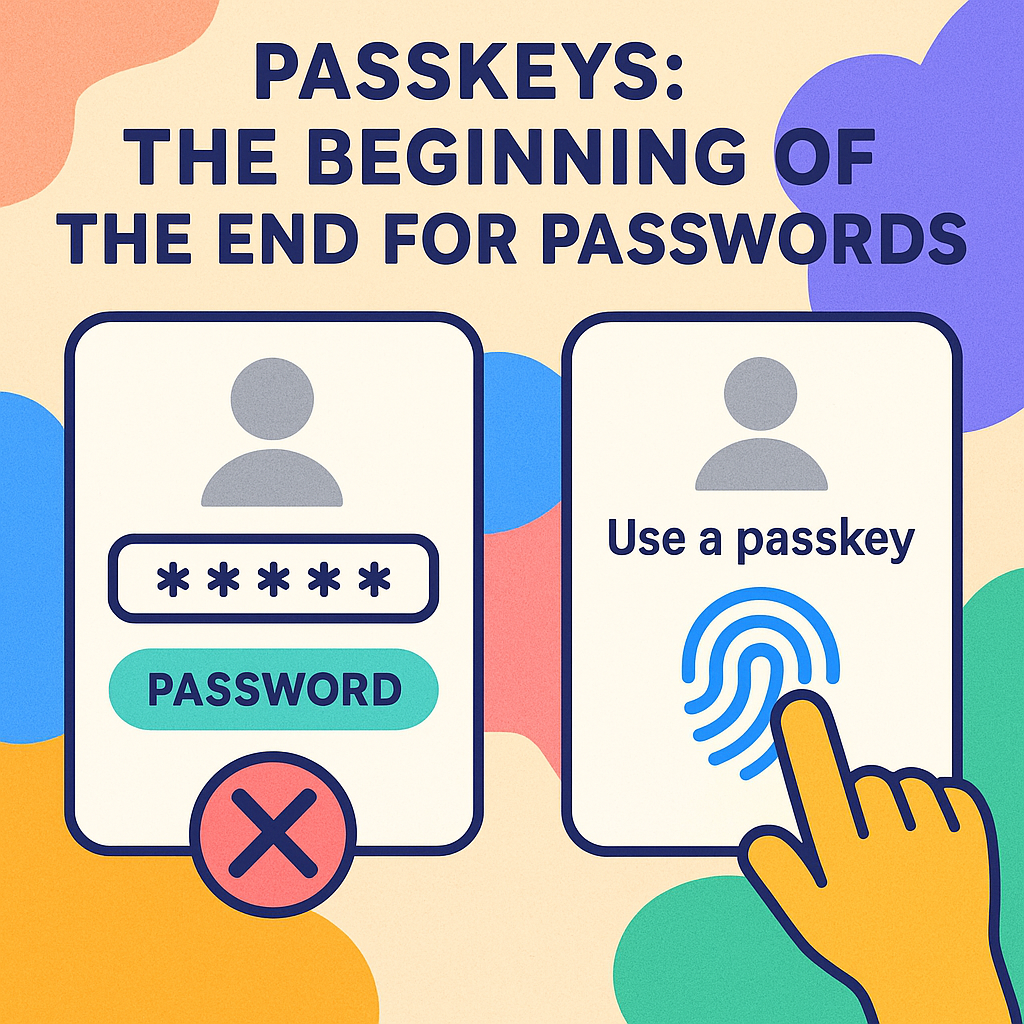
The shift toward Passkeys
The message has been consistent.
Passwords are a known problem.
And we’re still dealing with it.
The Data Hasn’t Changed Much Either
According to the Verizon Data Breach Investigations Report, credential abuse remains one of the most common initial access vectors, accounting for roughly one-third of breaches.
At this point, it shouldn't be surprising but it should still be concerning. That number has been stubborn.
Not because we don’t understand the issue.
Because fixing it across users, systems, and environments is harder than it sounds.
Attackers Are Not Getting Fancy
There’s a tendency to assume attacks are getting more advanced.
Some are.
Most are not.
Attackers continue to rely on the same fundamentals:
Weak or easily guessable passwords
Reused credentials across systems
Internet-exposed systems
Accounts that were never properly secured
This is the same playbook I covered in Credential Stuffing Attacks and even earlier posts on Rainbow Tables.
These aren’t cutting-edge techniques. They’re reliable.
We spend a lot of time talking about advanced threats, while most environments are still vulnerable to the basics.
Passwords Are Still the Front Door
We like to talk about identity, zero trust, and modern auth.
All of that matters.
But in most environments, access still starts with:
“Did you get the password right?”
If yes, you’re in.
If not, try again. Or try somewhere else.
That’s still the reality in 2026.
The Real Issue Isn’t Passwords
It’s how we use them.
Passwords fail because:
They get reused
They get shared
They don’t get changed
They protect systems that shouldn’t be exposed at all
This is something I’ve touched on in multiple posts, including Four Password Steps and the analysis of the LastPass Security Report.
This is not a technical limitation.
It’s an execution problem.
Most breaches don’t happen because security is complicated. They happen because the fundamentals weren’t enforced.
Defense in Depth Still Wins
If your security depends on a password alone, that’s already a problem.
Strong environments layer controls:
Limit exposure. Systems should not be directly reachable from the internet unless necessary
Patch systems. Known vulnerabilities bypass credentials entirely
Segment networks. Reduce impact when something goes wrong
Monitor access. Detect abnormal behavior early
Then passwords become one control. Not the only control.
What Still Works (and Always Has)
If you want practical guidance, nothing here should surprise you:
1. Use Strong, Unique Passwords - Every system. Every account.
2. Stop Reuse - Credential stuffing only works because reuse works.
3. Use a Password Manager - I’ve said it before in Password Managers Matter. Humans are bad at this. Tools help.
4. Enable MFA - Still one of the highest ROI controls you can deploy. Covered here: Multi-Factor Authentication
5. Reduce Exposure - The best password is the one nobody can try.
Where This Is Going
We are moving toward:
Passkeys
Hardware-backed authentication
Certificate-based identity
Passwordless systems
That’s progress.
And I’ve covered some of that direction in Passkeys.
But we’re not there yet.
Most systems still rely on passwords in some form.
So attackers will too.
Closing Thought
Passwords are not going away tomorrow.
So the goal isn’t to pretend they don’t matter.
The goal is to:
Use them correctly
Support them with stronger controls
Reduce how often they’re the only line of defense
We’ve been talking about this for years.
And yet, here we are.
Still talking about passwords. That alone should tell us something.