All in Cybersecurity News

DEF CON Is Cancelled? Sort Of

The decades old joke that “DEF CON has been cancelled”, is now a reality. Well, not cancelled as much as moved online to become a virtual conference for the first time.

On Friday May 8th, 2020, DEF CON tweeted “The #DEFCONiscanceled meme has crossed over into real life, courtesy of #COVID19. In early March we had hopes that things would be stable by August. That is no longer realistic.”

BTH News 08May2020

This week Between the Hacks reports on a data breach of 28,000 GoDaddy accounts, Firefox alerts you if you use a leaked password, a new IoT botnet, and a critical vulnerability in all Samsung phones for the past 6 years. Also, to stay up to date on cybersecurity news daily, try out our tip of the week, the Cyberwire podcast.

BTH News 01May2020

This week Between the Hacks reports on movies infected with malware, the NSA shares tips for teleworkers, a gif hijacks Microsoft Teams, and for the third time in 7 years, the iPhone has a word of death! Also bolster your security and privacy by changing DNS servers and a proof that robots can lie.

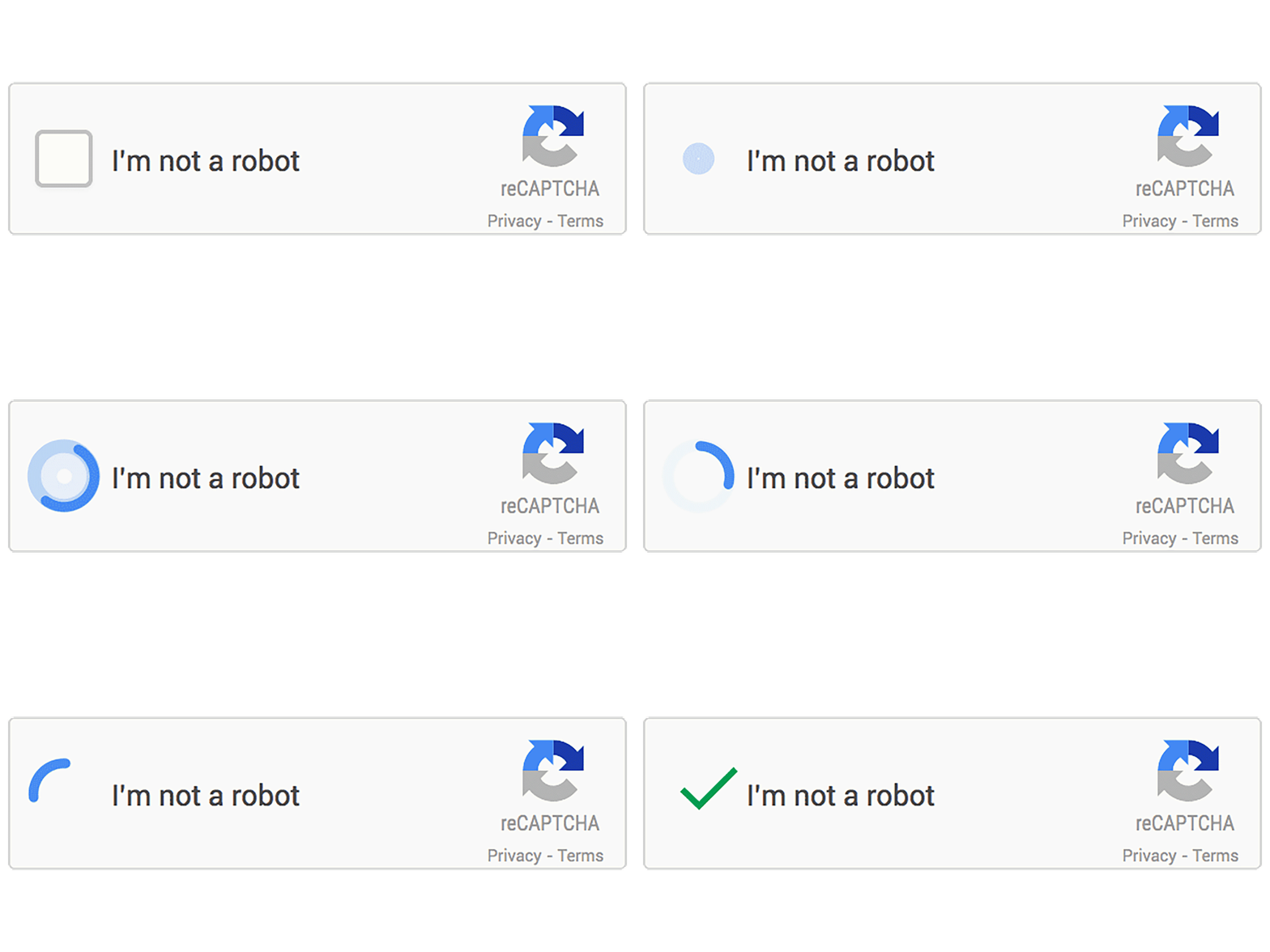
Phishing Websites Use ReCAPTCHA To Thwart Detection

The world of cybersecurity is a constant cat and mouse game where attackers find new and creative ways to attack and the defenders discover those methods and figure out how to stop the attacks. The latest wrinkle in this spin around the hamster wheel was revealed by researchers at Barracuda Networks, who discovered that threat actors are now using, “reCAPTCHA walls to block URL scanning services from accessing the content of phishing pages.”

BTH News 24April2020

This week the U.S. AIr Force invites hackers to try and hack into an orbiting satellite, your employer may be infecting your home network, Sextortion pays big for scammers, an iOS vulnerability may have silently infected your device just by receiving an email and this week’s tip will help you secure your home network.

Is Working From Home A Threat To Your Home Network?

Your work computer might be the device that lets a threat actor into your home network. According to research conducted by cybersecurity companies, Arctic Security and Team Cymru, more than 50,000 U.S. organizations have sent their employees to a work from home environment with malware-infected computers.

On a corporate network, firewall rules and cybersecurity tools block certain types of traffic…

BTH News 17April2020

Another week of Zoovid-19 news as Zoom and COVID-19 dominate the cybersecurity headlines. Two Zoom zero-day exploits go up for sale. Zoom faces another class-action lawsuit. It’s not all bad news though, Zoom has been busy patching and making strides to regain trust. COVID-19 help is a click away. Social media companies battle Coronavirus misinformation. Home routers are compromised and this blog was selected by Feedspot as one of the Top 100 Cyber Security Blogs on the web. Thanks to all of the readers.

BTH News 10April2020

Whether you celebrate Easter, or Passover, or just surviving another week in self-quarantined, social distancing, please stay safe, stay well, and check in with family, friends and neighbors.

This week we have more updates to the Zoom and COVID-19 sagas (now coined Zoovid-19). More than 2,300 Zoom credentials are found in an underground forum. Sixteen malicious coronavirus mobile apps are discovered, a sextortion campaign takes on different themes, and phishers pretend to be President Trump.

BTH News 03April2020

Zoom sees rapid growth with lots of growing pains, the FBI warns of teleconference hijacking, a data breach exposes GE employee data, for the third week in a row, we saw a rapid increase in COVID-19 Coronavirus phishing and cyberattacks, and Marriott reports a data breach…again.

BTH News 20March2020

This week we saw more COVID-19 malware and phishing attacks, a cyberattack against the U.S. Health and Human Services Department, anew and growing botnet that recruits IoT devices, credit card skimming on websites and a security firm re-breaches over 5 billion records.

  1. Malware: A malicious app that supposedly tracks Coronavirus victims, is actually demanding ransom payment from Android users. via @gcluley

  2. Cyberattack: Cyberattack Hits U.S. Health Agency Amid COVID-19 Outbreak

  3. More Patches: Adobe Releases Critical Patches for Acrobat Reader, Photoshop, Bridge, ColdFusion -

  4. Botnet: Zxyel Flaw Powers New Mirai IoT Botnet Strain -

  5. Credit Card Skimming: NutriBullet and others caught in online credit card skimming attack!

  6. Data [Re]Breach

BTH News: 13March2020

It’s Friday the 13th, we are in the midst of a global pandemic, threat actors are leveraging public fear in phishing attacks, and data breaches and critical vulnerabilities make the news!

Shark Caught in Phishing Scam Shares Cautionary Tale

An employee of Shark Tank star Barbara Corcoran thought it was a routine wire transfer. The email request did not look unusual, and the amount of the transfer did not raise suspicion. But it was a clever scam, and nearly $400,000 was deposited into the bank account of a phishing scammer. Corcoran, who is well known as one of the “sharks” on ABC’s TV show, Shark Tank, shared details of a cybersecurity breach at her company with ABC News.

"This morning I wired $388,000 into a false bank account…

New Report: Employees’ Poor Password Practices Put Businesses Around the World at Risk

LastPass has released its third annual Global Password Security Report where they analyzed over 47,000 businesses to share interesting and helpful insights into employee password behavior at businesses around the world. The report is free but you will have to give up some contact information to download it.

The key takeaways are:
Businesses still have a lot of work to do in the area of password and authentication security.
Businesses are increasing their use of multi-factor authentication (MFA) but employees still have poor password hygiene.

FBI Router Reboot Recommendation

As I am sure you have heard, the FBI is recommending that anyone with a home router or small office router, reboot them. If you are not familiar with this FBI recommendation, then there are a few links at the end, to get you up to speed.

The reason for the FBI's reboot recommendation is that a piece of malware, named VPNFilter, has infected hundreds of thousands of routers all across the Internet. Rebooting an infected router forces the malware to reload which will initiate an attempted connection to malware command and control (C&C) servers. The FBI has already taken control over some, if not all of the C&C servers so the reloading of the malware will do two things.