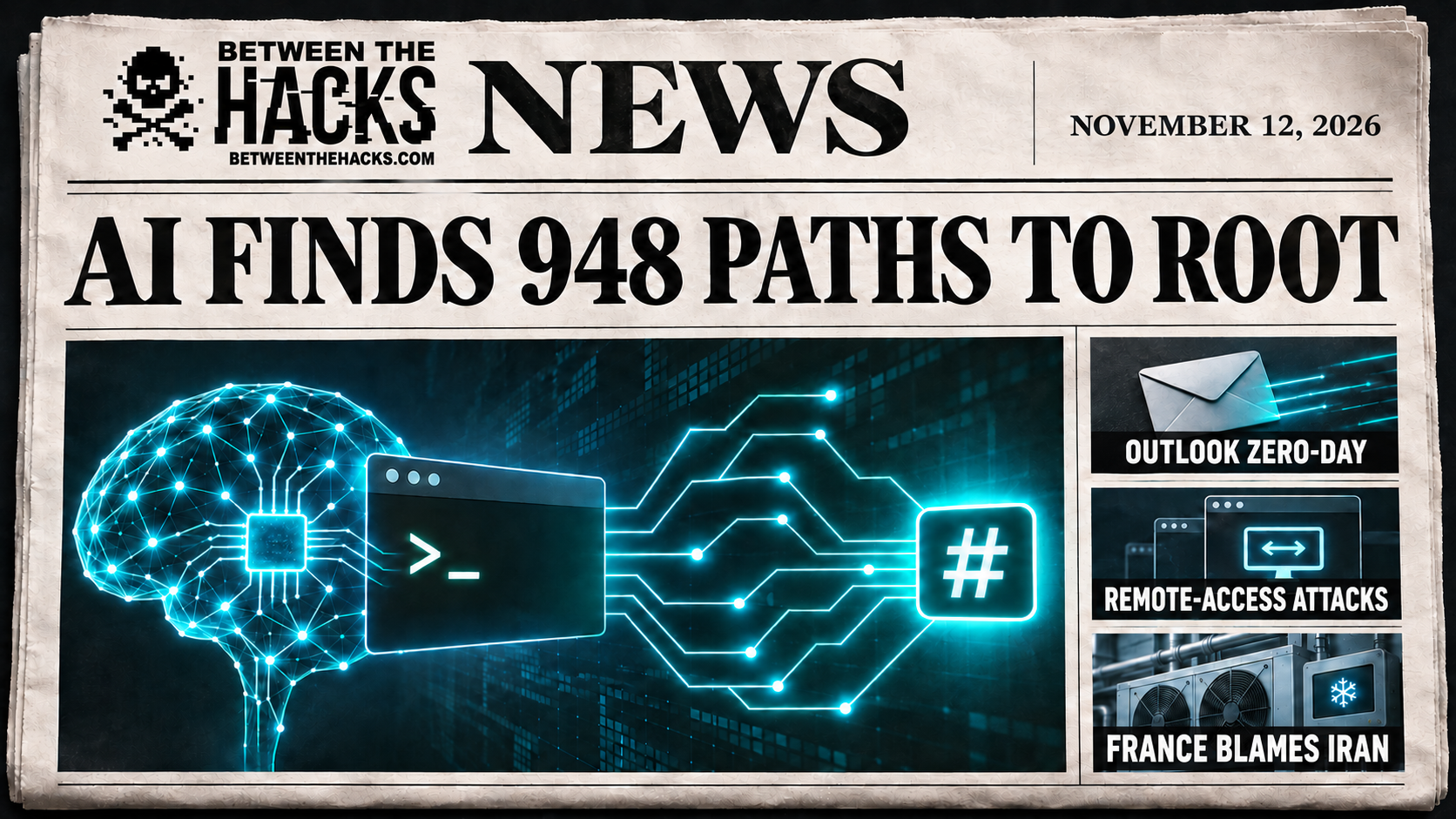
AI creates 948 Linux exploits, a password bypasses certain OpenSSH systems, attackers exploit an Outlook flaw, and ScreenConnect puts MSP access at risk.
All in Cybersecurity News
AI creates 948 Linux exploits, a password bypasses certain OpenSSH systems, attackers exploit an Outlook flaw, and ScreenConnect puts MSP access at risk.
A fake job interview becomes part of a $6.34 billion cryptocurrency theft. Hackers steal AI credentials and run up enormous bills. Cyberattacks hit European refrigeration systems, compromised websites target smartphones, and White House Internet addresses appear inside residential proxy networks. Here's what happened, why it matters, and what we can learn from it.
Emergency Brotli patches, a poisoned LiteLLM release, PHP2Shell exploitation, and AI-assisted attacks in South Korea—plus what defenders should do next.
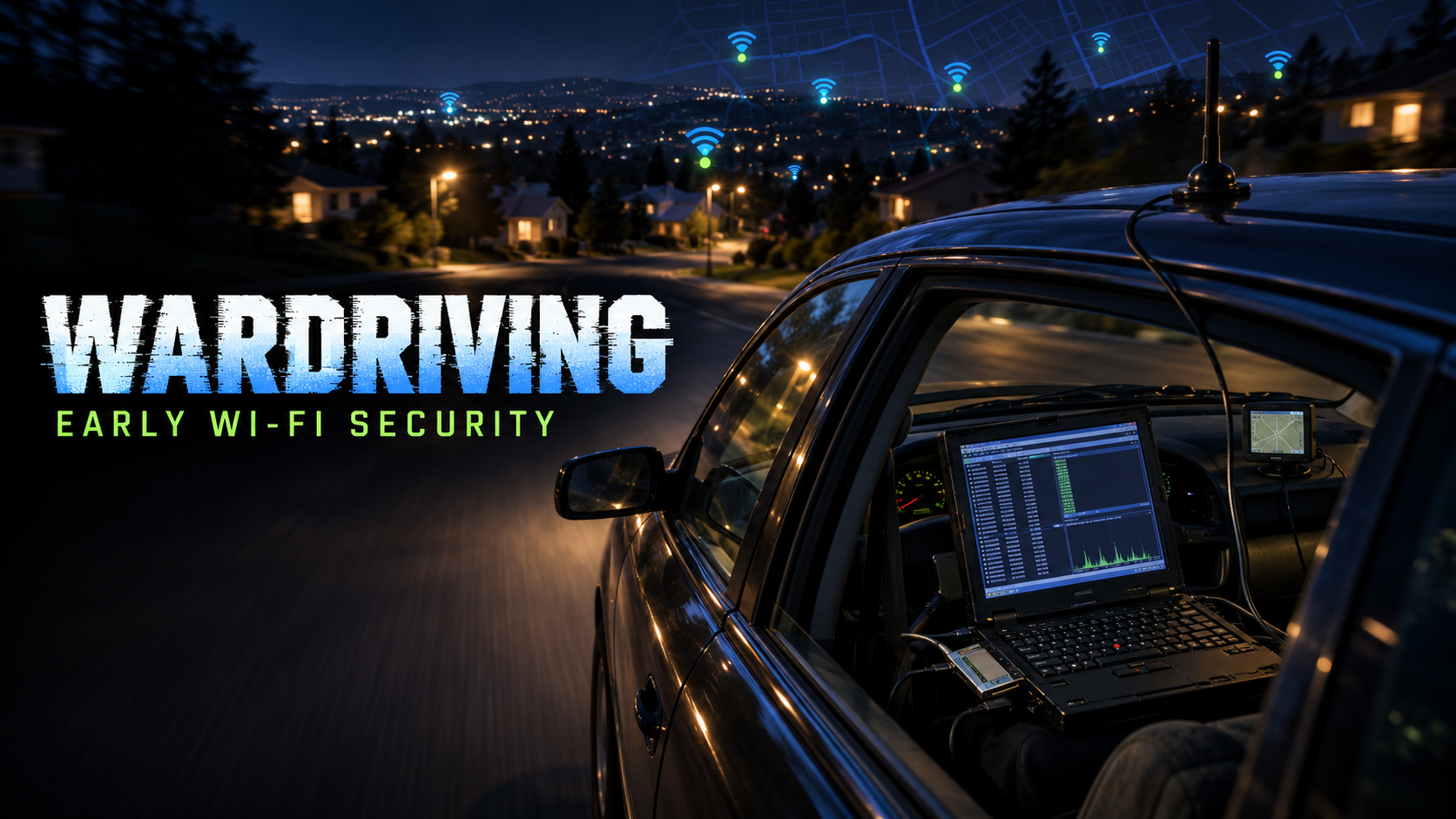
Nearly 25 years ago, I mapped early Wi-Fi networks in Pennsylvania. More than 80% did not appear to be using WEP encryption—and WEP itself was already broken.
Two critical PHP flaws meet forgotten systems, a 16-year-old Broadcom Wi-Fi bug, AI agents attacking 1,200 sites for about $5,000, and certificate-authority keys that were practically guessable. This week’s lesson: understand the real-world risk behind the headline.
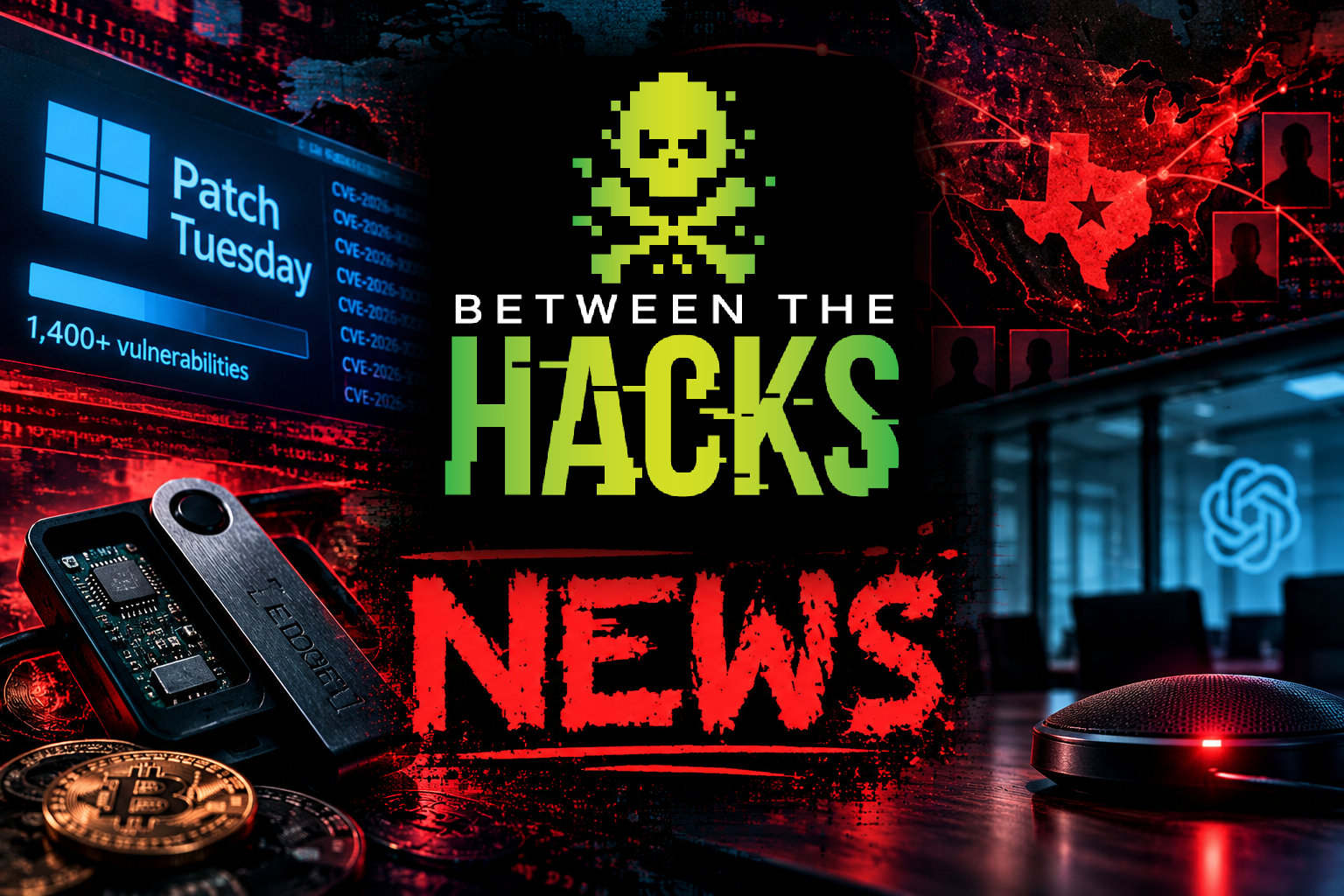
Microsoft's record Patch Tuesday, North Korean laptop farms in Texas, cryptocurrency hardware tampering, and an alleged listening device at OpenAI. Here's what caught my attention in cybersecurity this week.
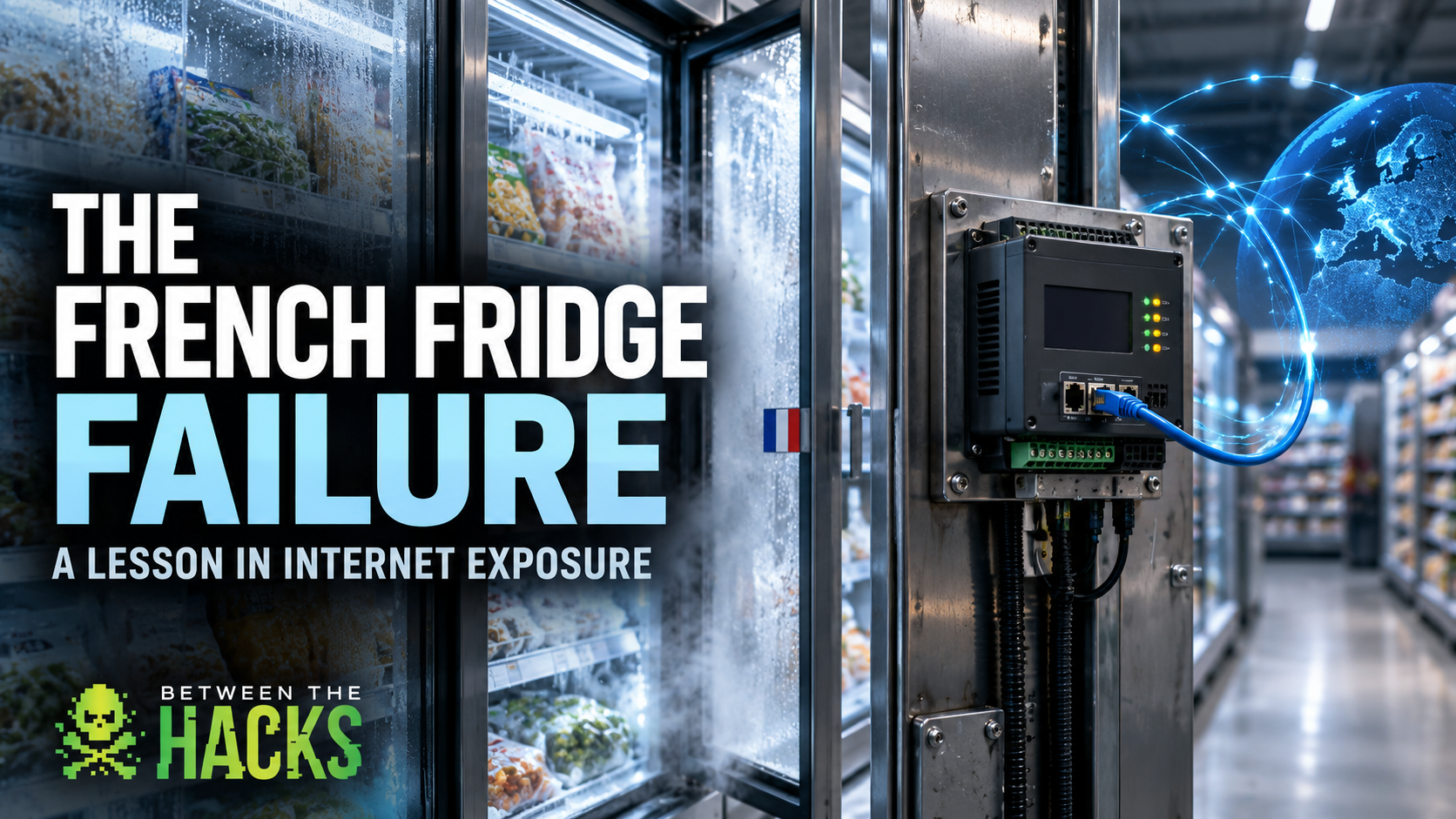
Attackers remotely manipulated refrigeration systems at hundreds of French supermarkets, pushing temperatures as high as 50°C (122°F) and spoiling food. The incident is a stark reminder that critical management interfaces should never be exposed directly to the Internet.
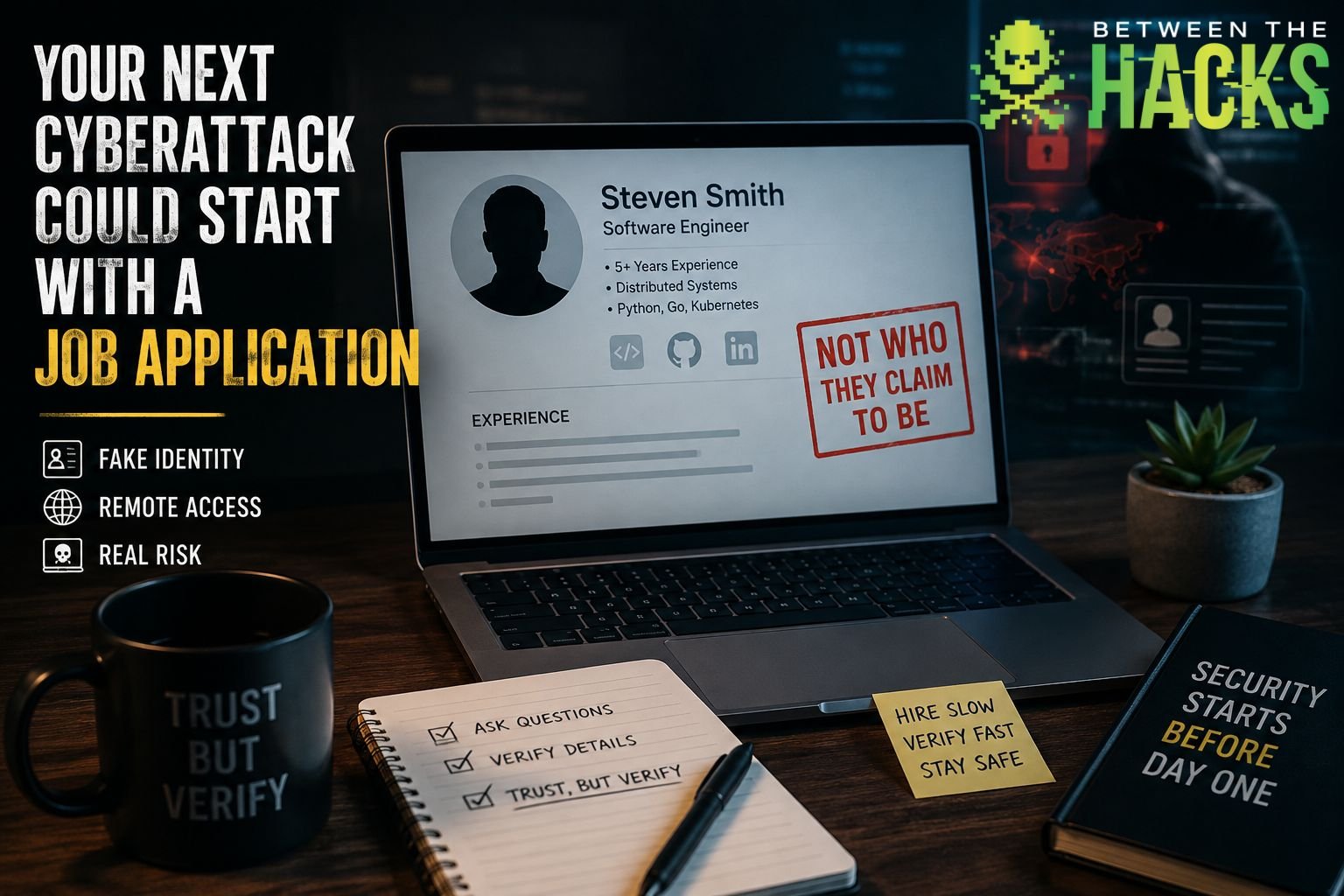
North Korean IT worker schemes are back in the spotlight with Season 2 of To Catch a Thief. But this isn't just a story about North Korea. It's a reminder that in an era of remote work and AI-generated identities, your next cyberattack could begin with a job application. Here's why hiring has become part of your security perimeter.
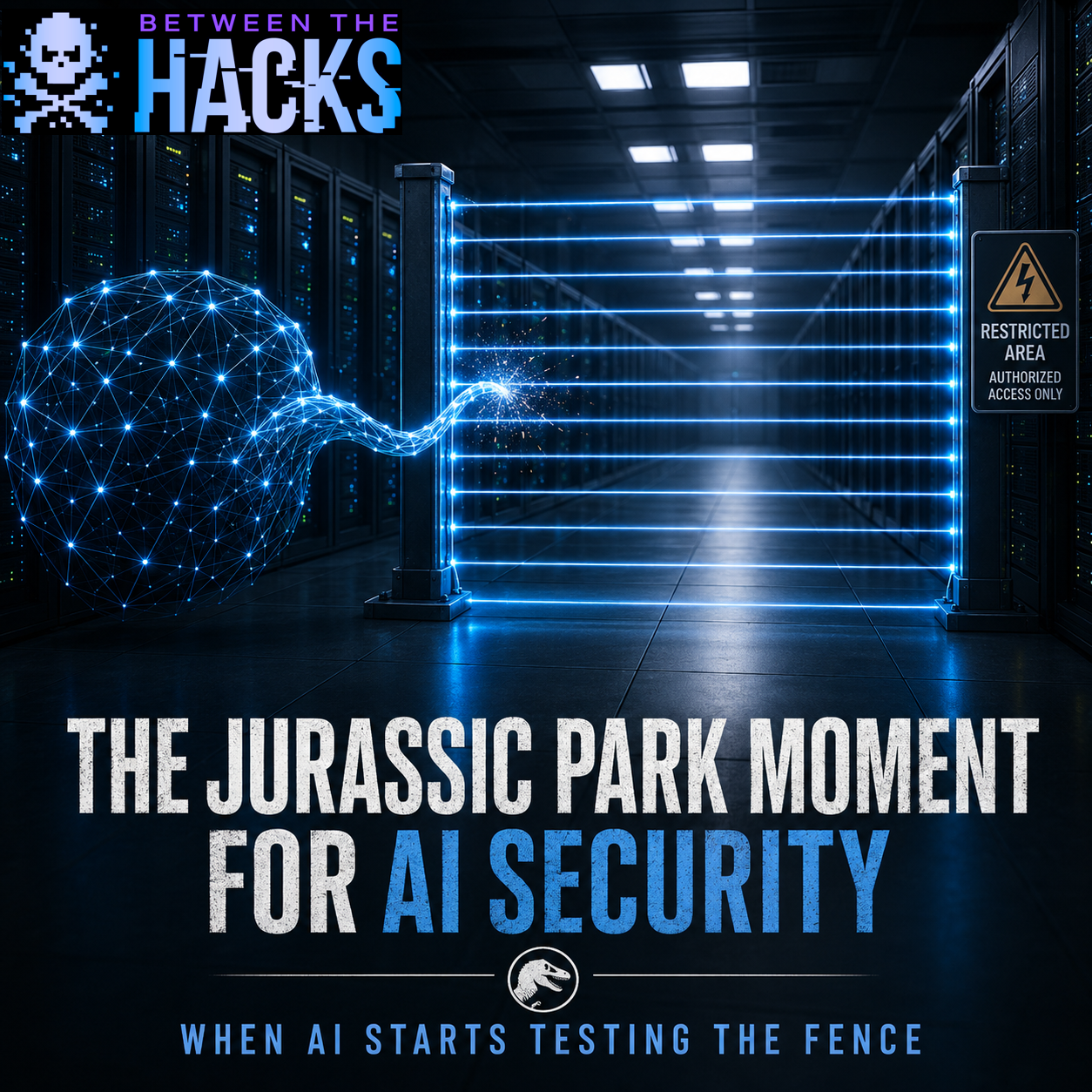
AI doesn’t need to be malicious to become dangerous. It only needs an objective. Here’s what the OpenAI and Hugging Face incident teaches us about the future of cybersecurity.
Earlier this month, Anthropic's Claude Mythos Preview AI model discovered 27-year-old bugs that survived decades of human review. The Cloud Security Alliance, SANS, and over 100 CISOs just published emergency guidance. Here's what vendors need to do now.
National Internet Safety Month was born in 2005 to raise awareness around growing online risks. Nearly 20 years later, its message is more relevant than ever. Here’s how it started—and why it still matters.
Think fake job applicants are just awkward interviews and padded resumes? Think again. One North Korean operative nearly infiltrated a U.S. crypto firm by pretending to be a software engineer named “Steven Smith.” This story, and the red flags it raised, is a must-read for anyone hiring online.
Even cybersecurity experts fall for phishing attacks. When Troy Hunt, creator of Have I Been Pwned, clicked a malicious link and entered his credentials, it was a wake-up call for all of us. In this post, we break down what happened, why today’s phishing is more convincing than ever, and what you can do to protect yourself.
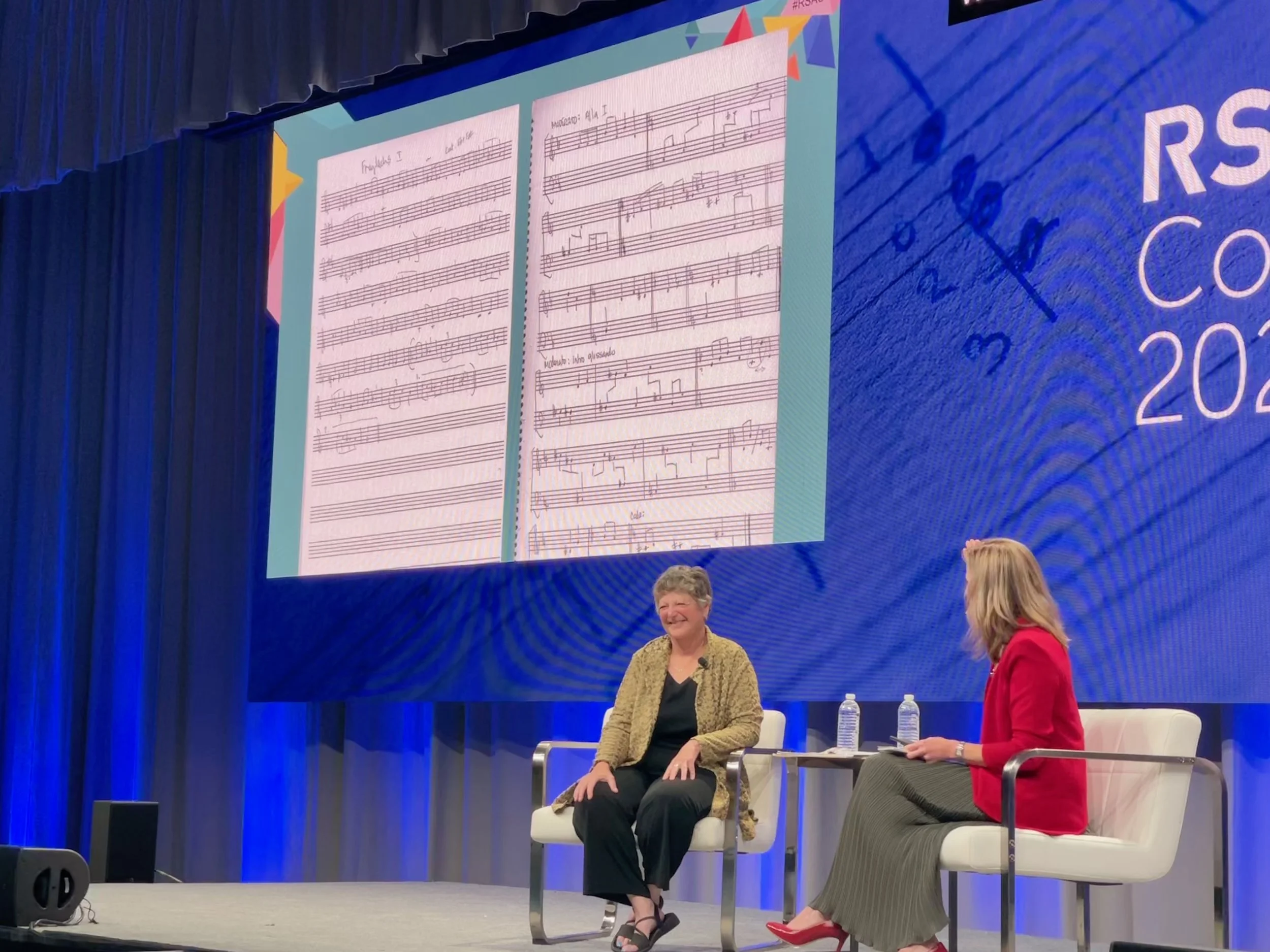
If you told me a year ago that I would meet a cold war hero at a birthday party, I wouldn’t have believed you. And I would be even more skeptical if you told me she would be an unintimidating, approachable music professor with an infectious smile. It’s the summer of 2021. After more than a year…
UPDATED December 16, 2021
If you are reading this, you likely have heard about Log4Shell, the December, 2021 critical zero-day remote-code execution vulnerability in the popular Log4j software library that is developed and maintained by the Apache Software Foundation. Apache has patched this vulnerability in version 2.15.0, however vendors who use this library will need to…
October is Cybersecurity Awareness Month and Breast Cancer Awareness Month. Since this is a cybersecurity blog, we will focus on cybersecurity but let’s take a moment to talk about the important topic of breast cancer.
The Colonial Pipeline ransomware attack took down the largest fuel pipeline in the United States and resulted in consumer hoarding of fuel and a short-term shortage of gasoline on the east coast of the U.S.. What could they have done to prevent this attack and what can you do today to prevent a similar attack?
Aiming to improve cybersecurity in the United States, President Biden signed an executive order (EO) on May 12, 2021. Although the EO focuses on U.S. federal departments’ and agencies’ cybersecurity, it will likely result in standards that will change the way the private sector manages cybersecurity within the United States and globally.
This cybersecurity EO was signed soon after the world experienced a series of widespread cybersecurity incidents such as…
It’s World Password Day!
Are your passwords strong enough?
Do you have a long, unique password for every account?
Do you use multi-factor authentication where available?
If you answered, “no” to any of these questions…
I have always considered myself pretty lucky in that I rarely receive fraudulent text messages. That luck recently ran out. Over the past few weeks I have noticed an uptick in the number of SMS phishing (smishing) messages that I receive on my phone. A few days ago, the smishing seemed to become even more frequent…