Annual cybersecurity reports are a rich resource of statistics and information for cybersecurity professionals, academics, journalists and anyone who is interested in cybersecurity. Below is a categorized list of many of these reports…
All in Cybersecurity News
Annual cybersecurity reports are a rich resource of statistics and information for cybersecurity professionals, academics, journalists and anyone who is interested in cybersecurity. Below is a categorized list of many of these reports…
The March 2021 issue of Security magazine, partnering with (ISC)2, featured their inaugural list of the Top Cybersecurity Leaders for 2021. As the author of this blog, I am both humbled and honored, to not only be part of the inaugural team, but also to be recognized with these accomplished cybersecurity professionals.
Since today is known for love, let’s look back 21 years to one of the more destructive, costly and famous viruses in history. The “ILoveYou” worm, also known as the “Love Bug” or “Love Letter For You” infected more than ten million Windows computers, beginning on May 5, 2000. This worm began spreading as an email message with the subject line "ILOVEYOU" and the attachment "LOVE-LETTER-FOR-YOU.txt.vbs".
Tuesday, February 9th, 2021, marks the 18th edition of Safer Internet Day with the theme "Together for a better Internet." Safer Internet Day (SID) started as an EU SafeBorders project in 2004 and is now celebrated in approximately 170 countries worldwide. Each February…
This week on Between The Hacks: The SolarWinds hack explained in plain English, D-Link router vulnerabilities, Google explains their global outage, 28 malware-infected browser extensions and cybercrime book for the security enthusiast on your gift list.
By now you have probably heard about the SolarWinds supply-chain compromise that has impacted government and businesses all over the world. This story is still unfolding so I won’t try to explain everything in detail, rather, I’ll attempt to explain the situation for the less-technical reader and link to some resources so that you can follow the story.
This week on Between The Hacks: A dental data breach, the U.S. IoT Security Law, a 2020 Microsoft vulnerability report, the final sunset of Adobe Flash, Rebooting by Lisa Forte and the Smashing Security Christmas party.
An important step toward securing the Internet was achieved on December 4, 2020, when President Trump signed an IoT security bill into law. The Internet of Things Cybersecurity Improvement Act of 2020 has been in the works since 2017 and was passed by the U.S. House of Representatives in September 2020 and the U.S. Senate in November 2020.
The bi-partisan team that backed the IoT bill included…
Now that Black Friday and Cyber Monday are over, you may still be searching for some great deals. If so, you’ll hardly find a better deal than this one. Humble Bundle has teamed up with the great tech publisher, No Starch Press, to offer deeply discounted hacking e-books for as little as one dollar.
This week on Between The Hacks: Google used for phishing, the U.K. reveals their National Cyber Force, the state of CISA, ransomware takes over printers, and password managers are needed more than ever.
This week on Between The Hacks: Will the head of CISA be fired?, Microsoft discourages SMS MFA, The North Face credential stuffing attack, a new smishing campaign revealed, and The Perfect Weapon becomes a documentary.
This week on Between The Hacks: Three iOS zero-days, a zero-day for Chrome on Android, a new ransomware report, a gaming company falls victim to ransomware, and how to fix the Mac/HP “malware” problem.
This week on Between the Hacks, week 5 of Cybersecurity Awareness Month, Trump Campaign site defaced, ransomware threat against U.S. hospitals, a Facebook MFA bypass attack and how to enable MFA on your accounts.
This week on Between the Hacks, week 4 of Cybersecurity Awareness Month, Trump on cybersecurity, a Chrome zero-day, 63 billion credential stuffing attacks, and a malware museum.
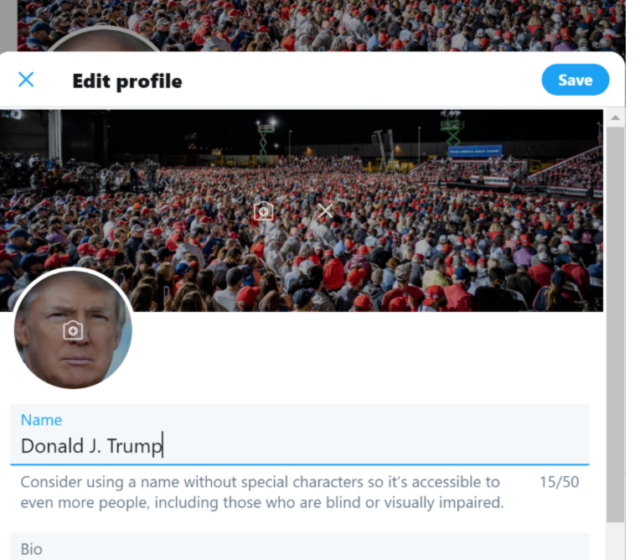
At a campaign rally in Tuscon, AZ on Monday, Donald Trump stated, “Nobody gets hacked. To get hacked, you need somebody with 197 IQ and he needs about 15 percent of your password.” The video quickly spread across the cybersecurity social media circles and generated a lot of attention. Today, Between The Hacks will dissect Trump’s statements, touch on some related news about a possible hack of Trump’s Twitter account, and share a few basic tips on how to secure your social media accounts.
The challenge of protecting the privacy of people online while still providing free services and content, is a challenge that has been met with many attempted solutions. Unfortunately nothing has really worked well to date but the pressures of privacy legislation like GDPR, (Europe) LGPD (Brazil) and CCPA (California) are pushing technologists to figure out how to have each individual communicate their privacy desires to the websites that they visit. he latest attempt and solving this problem is…
This week on Between the Hacks, week two of Cybersecurity Awareness Month, 61% of Exchange servers unpatched, governments want encryption backdoors, new Android ransomware, and tips to avoid ransomware.
This week on Between the Hacks, it’s Cybersecurity Awareness Month, potentially steep fines for paying a ransom, a New Jersey hospital pays a ransom to prevent sensitive data leakage, a warning about election misinformation, and a tool to test website privacy.
Today starts the 17th annual Cybersecurity Awareness Month which is held every October and was created as a collaborative effort between governments and private industry to ensure that everyone has the resources they need to stay safer and more secure online. Read more…
This week on Between the Hacks, new social media phishing campaigns, Microsoft reports of ZeroLogon attacks, a sports official data breach, and the EFF releases a new tool.